Are you trying to choose between a pico projector and a mini projector but feel confused about what sets them apart? You’re not alone.
Both devices are small, portable, and designed to bring big-screen entertainment or presentations wherever you go. Yet, understanding their key differences can make a huge impact on your experience—whether it’s brightness, size, battery life, or image quality. You’ll discover exactly how pico projectors and mini projectors differ, so you can pick the perfect match for your needs without any guesswork.
Ready to find out which one fits your lifestyle best? Keep reading!
Pico Projector Basics
Pico projectors are tiny devices that project images and videos onto surfaces. They are designed for people who need quick and easy projection on the go. These projectors fit in the palm of your hand and are ideal for small, casual presentations or entertainment.
Understanding the basics of pico projectors helps you choose the right device. Their size, common uses, and technology set them apart from other projectors like mini projectors.
Size And Portability
Pico projectors are extremely small, often smaller than a smartphone. They are lightweight and easy to carry in your pocket or bag. This makes them perfect for travel or quick setups without much effort.
Common Uses
People use pico projectors for showing photos, videos, or presentations in small groups. They work well in dark rooms or during casual meetings. Many use them for entertainment or sharing content from smartphones and tablets.
Technology Types
Most pico projectors use DLP or LED technology. DLP offers sharp images with good color, while LED projectors are energy-efficient and last longer. These technologies keep pico projectors compact and affordable.
Mini Projector Essentials
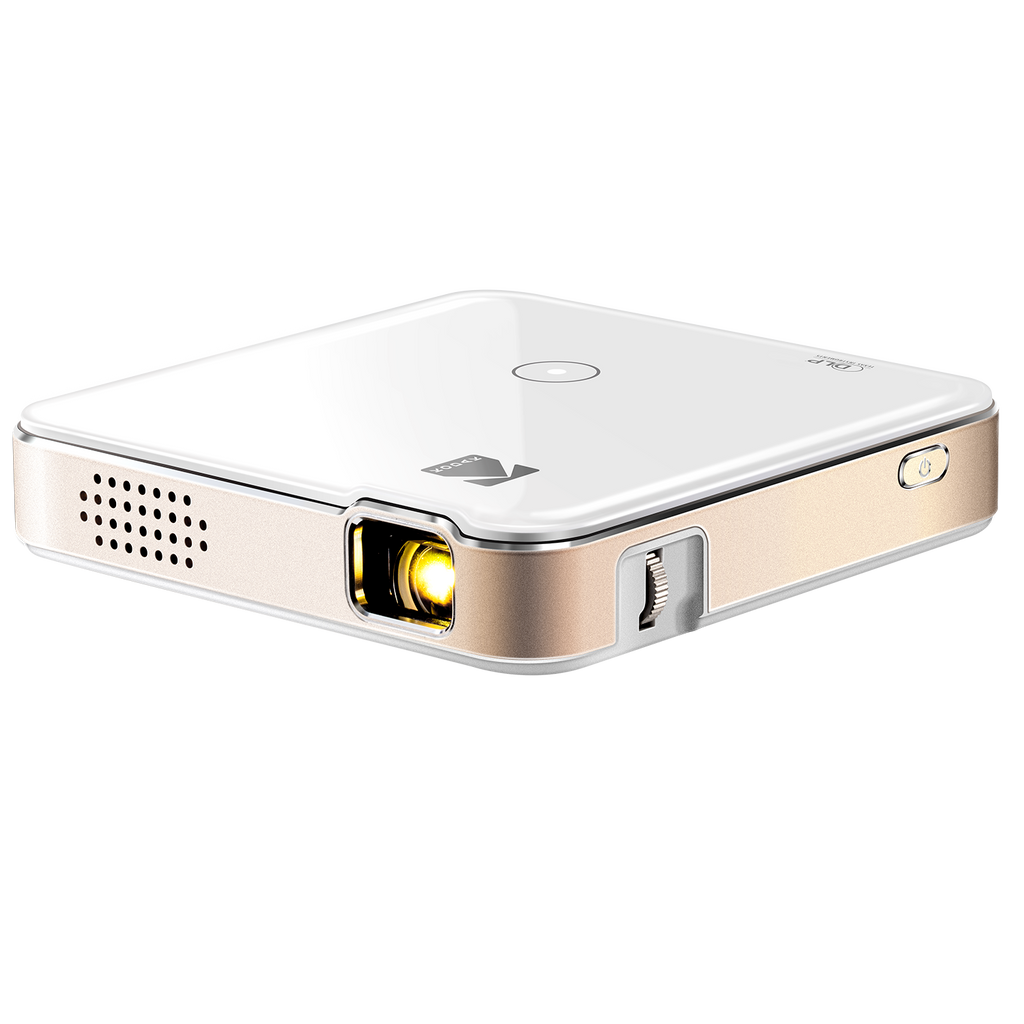
Mini projectors are compact devices that bring big-screen experiences anywhere. They offer a balance of size, brightness, and functionality. These projectors suit users who want portability without sacrificing image quality. Understanding their key features helps in choosing the right model for your needs.
Mini projectors are larger than pico projectors but still small enough to carry easily. They connect with laptops, phones, and other devices to display videos, presentations, or photos. Their versatility makes them popular for work, home, and travel use.
Design And Portability
Mini projectors are lightweight and easy to hold. Most models fit in a small bag or large pocket. They usually have built-in batteries for cordless use. Their design focuses on convenience while providing a stable base for projection. Some feature adjustable stands or mounts for flexible placement.
Typical Applications
People use mini projectors for movies, business presentations, and gaming. They work well in small rooms or outdoor settings. Teachers use them for classroom lessons and students for group projects. Travelers enjoy them for entertainment on the go. They serve many purposes where full-size projectors are too bulky.
Technology Features
Most mini projectors use LED or DLP technology for clear images. LED lights last longer and use less power. DLP technology offers sharp picture quality and better color. Some projectors support HD resolution for crisp visuals. They often include HDMI, USB, and wireless connections. Audio output options vary by model but usually include built-in speakers.
Brightness And Resolution
Brightness and resolution are key factors in choosing between a pico projector and a mini projector. These two features affect how clear and visible the projected image will be. The right balance of brightness and resolution ensures a better viewing experience in different lighting conditions and screen sizes.
Light Output Comparison
Pico projectors usually have lower brightness levels. They often range between 20 to 100 lumens. This makes them suitable for dark rooms or small projection surfaces. Mini projectors offer higher brightness, typically from 200 to 1000 lumens. This allows them to perform better in rooms with some ambient light. Higher brightness means the image stays clear and visible even in less dark environments.
Image Quality Differences
Resolution defines the sharpness of the projected image. Pico projectors mostly support lower resolutions like 480p or 720p. This results in less detailed images, which can look blurry on larger screens. Mini projectors tend to support HD resolutions, such as 1080p, providing clearer and sharper images. Better resolution improves text readability and video quality, making mini projectors a better choice for detailed presentations and movies.
Battery Life And Power
Battery life and power are key factors when choosing between a pico projector and a mini projector. These devices rely on batteries for portability, but their battery performance and power options vary. Understanding these differences helps you select the right projector for your needs.
Battery Performance
Pico projectors usually have smaller batteries. They offer shorter usage time, often around 1 to 2 hours. Mini projectors tend to have bigger batteries. This allows longer playtime, sometimes up to 4 hours or more. Battery life depends on brightness and volume settings. Lower settings help extend the runtime.
Power Source Options
Both projectors can use rechargeable batteries. Pico projectors often charge via USB ports. This makes charging easy with power banks or laptops. Mini projectors may also support AC adapters. They can run plugged in for long sessions. Some mini projectors have replaceable batteries for quick swaps. This adds flexibility for outdoor or travel use.
Connectivity And Compatibility
Connectivity and compatibility play key roles in choosing between a pico projector and a mini projector. These features determine how easily the projector works with your devices. They also affect the quality and variety of content you can display. Understanding these aspects helps you pick the right projector for your needs.
Supported Devices
Pico projectors usually support smartphones, tablets, and laptops. They connect well with most mobile devices. Mini projectors often support a wider range of devices. This includes gaming consoles, DVD players, and USB drives. Mini projectors offer more options for different users.
Input And Output Ports
Pico projectors have fewer ports due to their small size. Common ports include HDMI and USB-C. Mini projectors provide more input and output options. They often feature HDMI, USB, VGA, and audio ports. More ports mean better compatibility with various devices.

Price And Value
Price and value often guide the choice between a pico projector and a mini projector. Understanding their costs and what features come with each helps you pick the right device. Both offer portability, but their price points and capabilities differ.
Cost Comparison
Pico projectors usually cost less than mini projectors. They are smaller and simpler, which lowers production expenses. Prices can start as low as $50 for basic models. Mini projectors tend to be larger and more powerful. Their prices often begin around $150 and can go higher. The price difference reflects their performance and features.
Feature Trade-offs
Lower prices in pico projectors mean fewer features. They often have lower brightness and resolution. Battery life may also be shorter. Mini projectors offer better image quality and longer use times. They support higher resolutions and brighter displays. These benefits come with a higher price. Choosing depends on your needs and budget.
Use Case Scenarios
Use case scenarios help choose between a pico projector and a mini projector. Each type suits different needs and settings. Understanding these uses makes selecting easier and more effective.
Travel And Mobility
Pico projectors excel in travel due to their tiny size and light weight. They fit easily in a pocket or small bag. Battery-powered models allow use anywhere without cords. Ideal for quick sharing of photos or videos on the go. Mini projectors are slightly larger but offer brighter images. They work well in hotel rooms or outdoor trips. Both bring entertainment and work solutions while traveling.
Home Entertainment
Mini projectors often deliver better brightness and image quality. They suit movie nights, gaming, or streaming shows on a bigger screen. Pico projectors can work for casual viewing in dim rooms. Many connect easily to phones or tablets for media playback. Mini projectors may offer louder speakers and more ports. They create a more immersive home cinema experience. Choose based on room size and light conditions.
Professional Presentations
Mini projectors provide clearer images and higher brightness for meetings. They display slides and charts effectively in well-lit rooms. Pico projectors work for informal or small group presentations. Their portability helps when moving between meeting rooms. Both types support wireless connections to laptops or smartphones. Mini projectors usually have longer battery life for extended use. Consider the presentation size and venue when selecting.
Limitations And Drawbacks
Both pico projectors and mini projectors have their strengths. Yet, they also come with limits that affect user experience. Understanding these drawbacks helps in choosing the right device for your needs.
Pico Projector Challenges
Pico projectors are extremely small and portable. This size causes low brightness, making them hard to see in bright rooms. Their resolution is often low, so images can appear blurry or pixelated. Battery life is usually short, requiring frequent recharges. Sound quality tends to be poor due to tiny built-in speakers. Limited ports restrict connection options with other devices.
Mini Projector Limitations
Mini projectors offer better brightness than pico models but remain less bright than full-sized projectors. They can be heavier and less compact, reducing portability. Some models produce noticeable fan noise during use. Heat buildup can limit continuous usage time. Image quality varies widely, with some mini projectors having average contrast and color accuracy. Price tends to increase with added features and better specs.
Choosing The Right Projector
Selecting between a pico projector and a mini projector depends on your specific needs. Both offer portability but differ in size, brightness, and features. Understanding these differences helps in making a smart choice.
Think about where and how often you will use the projector. This helps to avoid buying one that does not fit your lifestyle or requirements.
Factors To Consider
Brightness is key. Pico projectors usually have lower brightness, making them best for dark rooms. Mini projectors often offer stronger light output for varied environments.
Battery life matters for outdoor or travel use. Pico projectors often have shorter battery times than mini models.
Resolution affects picture clarity. Mini projectors tend to have higher resolution than pico projectors.
Size and weight affect portability. Pico projectors are smaller and lighter, easy to carry in a pocket.
Matching Needs With Features
For casual movie watching in dim rooms, pico projectors work well. They are simple and very portable.
If you need better image quality or plan to use the projector in brighter places, a mini projector suits better.
Consider connectivity options. Mini projectors often support more devices and inputs than pico projectors.
Think about your budget. Pico projectors usually cost less but offer fewer features.
Match the projector’s strength to your environment and use. This ensures a satisfying viewing experience every time.

Frequently Asked Questions
What Is A Pico Projector Vs Mini Projector?
A pico projector is ultra-compact and highly portable, ideal for quick, small-scale projections. A mini projector is slightly larger, offers better brightness and resolution, and suits more detailed presentations or entertainment. Both use LED or DLP technology but differ mainly in size, brightness, and image quality.
What Are The Disadvantages Of Pico Projectors?
Pico projectors have low brightness and resolution, short battery life, limited connectivity, and smaller projection sizes. They struggle in well-lit rooms.
What Is A Pico Projector?
A pico projector is a compact, portable device that projects images or videos onto surfaces. It connects to smartphones, tablets, or laptops for easy content sharing. Pico projectors use LED or DLP technology but usually have lower brightness and resolution than larger projectors.
What Does Pico Mean For Projectors?
Pico means a very small, portable projector that fits in your hand. It uses LED or DLP technology to project images or videos. Pico projectors offer easy mobility but have lower brightness and resolution compared to larger projectors.
Conclusion
Choosing between a pico projector and a mini projector depends on your needs. Pico projectors are very small and easy to carry. They work well for simple, quick presentations or casual viewing. Mini projectors offer better brightness and resolution for clearer images.
They suit longer use and slightly larger audiences. Both types are portable, but mini projectors balance size and performance better. Think about where and how you will use the projector. This helps pick the right device for your lifestyle and budget.