Many parents ask: “What is better for my baby? A projector or a TV?” Both devices show videos and pictures. But which one is safer and easier for babies? In this article, we will talk about the pros and cons of projectors and TVs. We will help you decide what is best for your child.
Why Parents Choose TVs for Babies
TVs have been around for many years. They are common in most homes. Here are some reasons why parents use TVs for babies:
- Easy to use: TVs are simple to turn on and off.
- Good picture quality: TVs usually have clear and bright images.
- Built-in speakers: You don’t need extra devices for sound.
- Variety of shows: Many channels are made for children.
- Stable screen: The picture stays steady on the screen.
However, there are some concerns when babies watch TV. The screen can be very bright. The light comes directly from the TV to the eyes. This can hurt young eyes if they watch too long. Also, babies might sit too close to the screen. This may cause eye strain.
Why Some Parents Choose Projectors for Babies
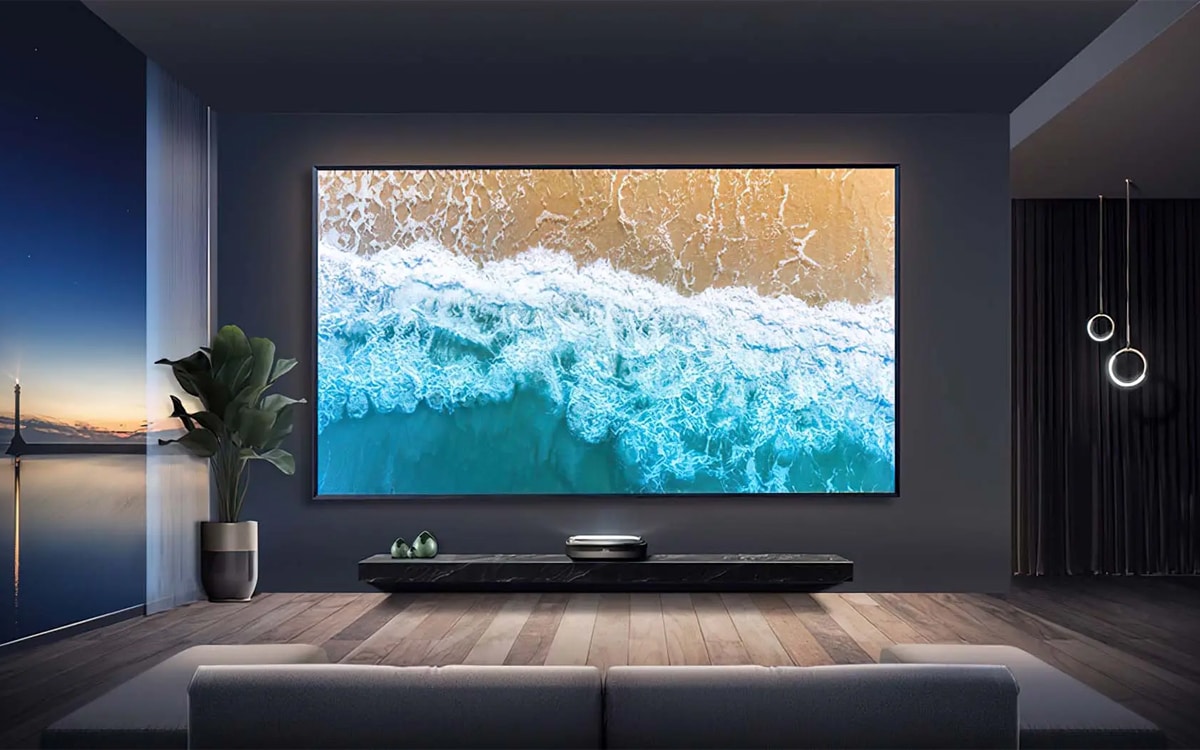
Projectors are newer devices for watching videos. They work by shining light on a wall or screen. This creates a large picture. Here are reasons parents pick projectors:
- Big screen size: Projectors show a large image on a wall.
- Less direct light: The light bounces off the wall, not directly to eyes.
- Portable: Many projectors are small and easy to move.
- Can watch from a distance: Babies do not need to sit close.
- Creates a cozy environment: The picture can fill the whole room.
But projectors also have some limits. The picture may not be very clear in bright rooms. You need a dark wall or room for the best picture. Projectors also need more space. The device must be placed at a distance from the wall. This may be hard in small rooms.

Comparing Projector and TV for Babies
Let’s compare projectors and TVs in key areas that matter for babies:
| Feature | Projector | TV |
|---|---|---|
| Screen Size | Big, can be very large | Fixed, smaller than projector |
| Light Source | Light bounces off wall | Light comes directly from screen |
| Eye Safety | Less direct light on eyes | More direct light, can strain eyes |
| Picture Quality | Lower in bright rooms | Usually clear and bright |
| Portability | Easy to move | Heavier and fixed |
| Setup | Needs space and a flat wall | Just plug and play |
| Sound | Needs separate speakers | Built-in speakers |
Eye Safety: What Parents Should Know
Babies’ eyes are still growing. They need special care. Bright lights and close screens can hurt their eyes. Experts say babies should not watch screens for too long. The American Academy of Pediatrics suggests no screen time for children under 18 months.
When babies do watch videos, it is best to keep sessions short. Also, keep the room light on. Avoid dark rooms. Both TVs and projectors can cause eye strain if used wrong.
Projectors may be better for eyes. They do not send light directly to eyes. The image is soft and big. Babies can sit farther from the screen. This helps reduce eye tiredness.
Room and Space Considerations
Projectors need space. You need a wall or screen to show the image. The projector must be placed several feet away from the wall. This can be hard in small rooms. Also, the room should be dark for a clear image.
TVs take less space. You can place them on a stand or mount on a wall. The picture looks good in bright rooms. This makes TVs easier to use in many homes.
Sound Quality and Setup
Babies love sounds. Clear sound helps them understand and enjoy shows. TVs have built-in speakers. They work right away without extra devices.
Projectors usually need extra speakers. You must connect them for good sound. This adds to the cost and setup time. Also, wires can be a safety hazard for babies. Be careful to keep wires out of reach.
Cost and Maintenance
TVs and projectors come in many prices. Generally, good TVs for babies cost less than projectors. Projectors can be expensive, especially with good image quality.
Projectors need more care. The lamp inside may need to be replaced after some time. This costs extra money. TVs usually need less maintenance.
What Do Experts Say?
Experts agree that screen time for babies should be very limited. Watching videos is not good for babies under 18 months. For older babies, short watching times are okay. Always watch with your baby. Talk and play with them. This helps learning better than screens.
When you choose a device, think about safety, space, and ease of use. Both projectors and TVs have good points and bad points.
Tips for Safe Screen Use for Babies
- Limit screen time to a few minutes at a time.
- Keep the room light on to avoid eye strain.
- Keep the screen or wall at least 3 feet away from the baby.
- Choose age-appropriate shows and videos.
- Watch together and talk about what you see.
- Make sure wires are out of baby’s reach.
- Turn off the screen when not in use.
Conclusion: Is Projector Better Than TV For Babies?
Both projectors and TVs can be used for babies. Projectors offer a big, soft image with less direct light. This may be better for baby’s eyes. But projectors need space, dark rooms, and extra speakers. TVs are easier to use, have better picture in bright rooms, and built-in sound.
For most families, TVs are more practical. They are simple and safe if used carefully. If you have space and want a big screen, projectors can work well. Always remember to limit screen time. The best way for babies to learn is by playing and talking with parents.
Choose what fits your home and baby’s needs. Keep your baby’s eyes safe. Use screens as a small part of their day. That way, your baby can grow happy and healthy.
Frequently Asked Questions
Is A Projector Safer Than A Tv For Babies?
Projectors emit less blue light than TVs, which is gentler on babies’ eyes. They also sit farther away, reducing eye strain risks.
Can Projectors Improve Baby’s Visual Development?
Projectors display larger images, which can help babies focus and track objects better. This may support early visual skills.
Do Projectors Cause Less Eye Fatigue For Babies?
Projectors create softer light and bigger images, leading to less eye fatigue. Babies may find it easier to watch for longer.
Is Screen Size Important For Babies’ Viewing Comfort?
Larger screen size helps babies see details clearly without squinting. Projectors often offer bigger images than TVs in small rooms.